
It began with a gathering in the desert.
On the vast, open playa of Northern Nevada, people came together to build a temporary city where imagination was not an escape from the world, but a way of engaging with it. They arrived as artists, makers, dreamers, performers, engineers, storytellers, wanderers, and citizens. They brought little with them except what they could create, share, and contribute.
From that experiment grew Black Rock City.
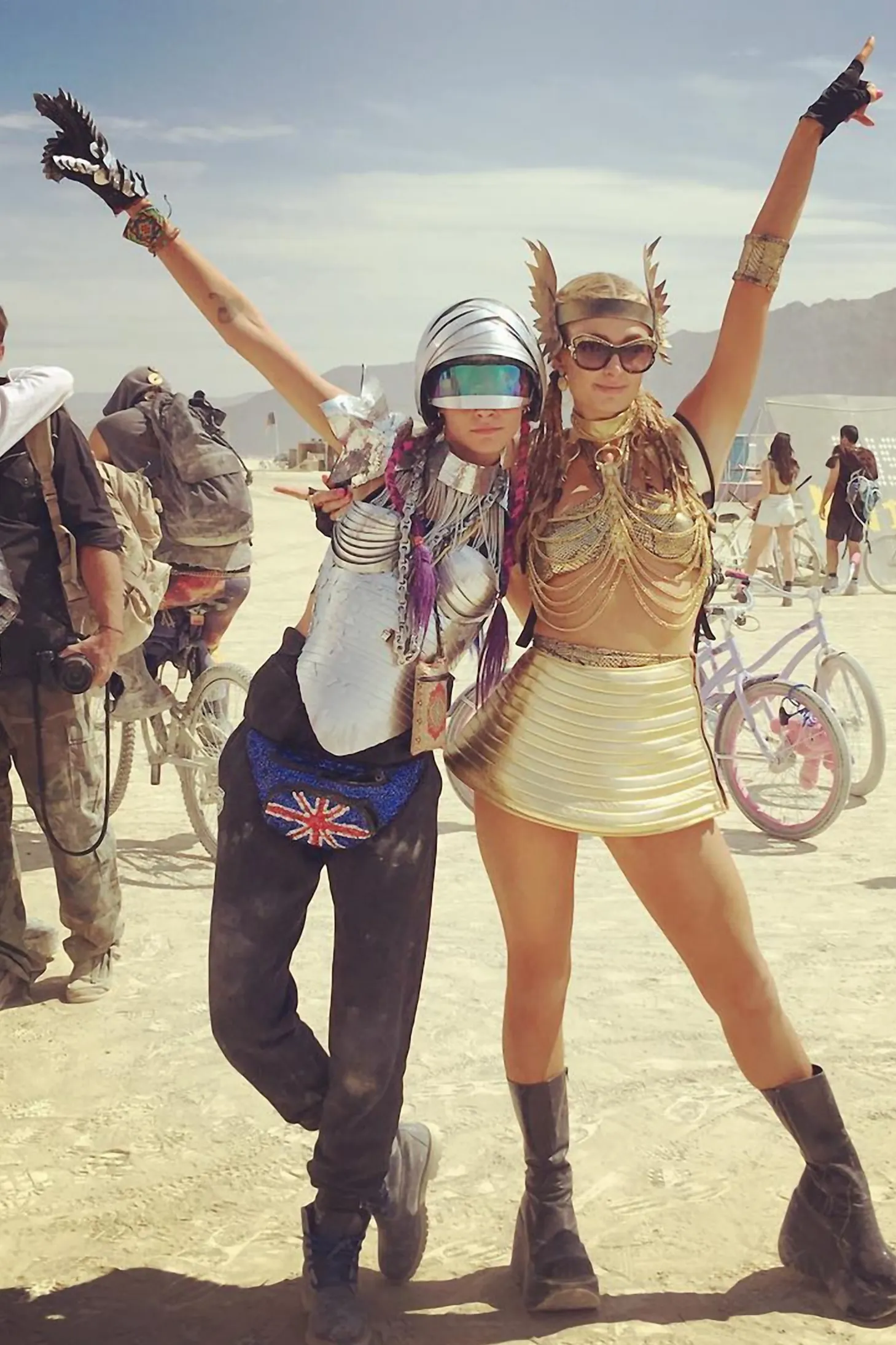
For a few days each year, the city rises from the dust of the Nevada desert—an improbable constellation of art, architecture, music, ritual, community, and radical self-expression. Then it disappears, leaving behind no permanent skyline, no conventional institution, and almost no trace on the land.
But the culture does not disappear.
What began as Burning Man has grown beyond the boundaries of its annual gathering. The ideas, practices, relationships, and creative traditions born in Black Rock City have traveled with its participants into cities, neighborhoods, studios, businesses, communities, and lives around the world.
The Burning Man Project, the nonprofit organization in service to this movement, exists within that larger story. Its role is not simply to produce an event in the Nevada desert. It is to support a culture that has become increasingly global: a culture shaped by participation rather than spectatorship, by making rather than consuming, by gifting rather than transaction, and by the conviction that people can create extraordinary things when given the freedom and responsibility to do so.
Today, more than a million people identify with or participate in this expanding cultural ecosystem. They gather in regional communities, build art in public spaces, organize events, create projects, practice radical forms of collaboration, and carry the spirit of Black Rock City into places far beyond the playa.
The desert was the beginning.
The larger story is what happened when people carried the desert home with them.
